Why Do I Feel Shaky When I'm Hungry?
3 min read
It usually starts subtly. You feel a little off, maybe slightly weak. Then your hands feel unsteady, your focus drops, and you might even feel anxious or irritable. And the moment you eat, it fades. If this sounds familiar, you're not alone. Feeling shaky when you're hungry is one of the clearest signals your body gives you, and it's almost always tied to how your system is managing energy.
It's Usually About Blood Sugar
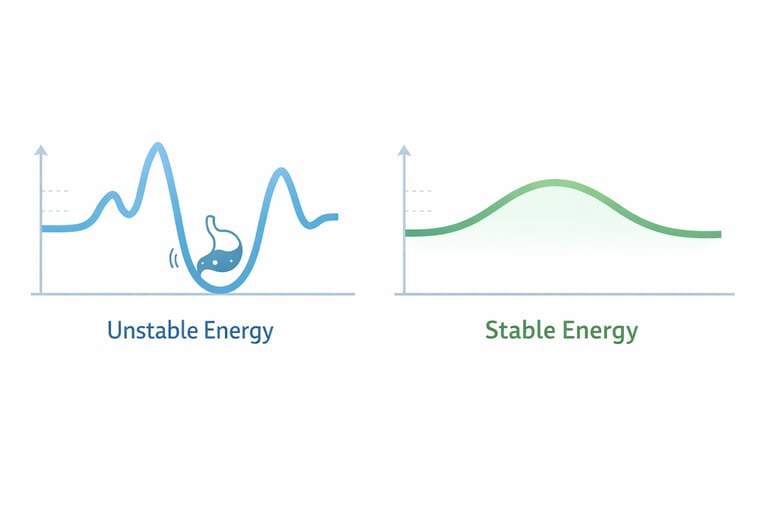
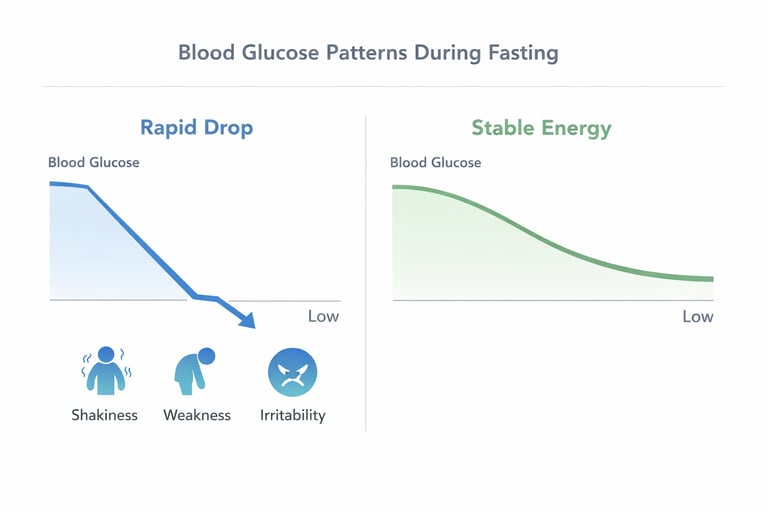
Your body runs on fuel — mainly glucose and stored energy. When you eat, blood sugar rises. When you don't eat, your body gradually uses that energy. In a stable system, this transition is smooth. But sometimes it isn't. When blood sugar drops more quickly than expected, your body reacts. That reaction can feel like shakiness, weakness, irritability, sudden hunger, or difficulty focusing. It's not random — it's your body asking for stability.
Why the Body Reacts This Way
Your brain depends heavily on glucose. When levels drop, even slightly, your body activates a response to bring energy back up quickly. This can include releasing stress hormones, increasing alertness, and triggering hunger signals. That "shaky" feeling is part of that response. It's not just low energy — it's your system trying to correct it.
It's Not Just About "Needing Food"
One common misconception is: "If I feel shaky, it just means I need to eat more." Sometimes that's true, but often it's about how your body handles fuel, not just how much you eat. If energy rises and falls too quickly throughout the day, these dips become more noticeable. That's where stability matters more than volume.
Blood Sugar Swings Make It Worse
If your meals cause sharp spikes in energy, they can also cause sharper drops later. This creates a pattern: eat → energy spike → drop → shaky feeling → eat again. Over time, this can feel like constant hunger, energy instability, cravings, and mood swings. This is closely connected to what many people experience as a carb crash.
Sleep and Stress Play a Bigger Role Than You Think
If your sleep is inconsistent or your stress levels are high, your body becomes less efficient at managing energy. That means blood sugar becomes less stable, hunger signals become stronger, and shaky feelings appear more easily. Metabolism reflects your entire system, not just what you eat.
Why It Feels Urgent
One thing people notice is how fast this feeling comes on. That's because your body treats energy instability as something that needs quick correction. It doesn't feel like "I'm a bit hungry" — it feels like "I need something now." That urgency is part of the design.
How to Reduce That Shaky Feeling
You don't need extreme changes. Most people benefit from improving stability: Combine protein, carbs, and fiber in meals so digestion slows down. Avoid large swings in meal composition from one meal to the next. Don't skip meals if you're prone to dips — your body needs predictable fuel. Prioritize sleep because it stabilizes everything. Manage daily stress load since stress hormones mess with blood sugar. Build muscle because it improves how your body handles glucose. The goal isn't constant eating — it's predictable energy.
When to Pay More Attention
Occasional shakiness is common. But if it happens frequently or intensely, especially with dizziness, confusion, or strong fatigue, it's worth looking deeper with a professional.
The MetaFuel Perspective
Feeling shaky when you're hungry isn't a flaw — it's feedback. Your metabolism is telling you: "Energy isn't stable right now." When your system becomes more flexible and steady, that signal becomes quieter. And hunger becomes something you notice, not something that controls you.